
Hey, fellow runners! Welcome back.
Caffeine is more than just a pre-run pick-me-up or a morning ritual—it’s one of the most studied and effective performance enhancers in the athletic world. From improved focus to better endurance, caffeine has become a secret weapon for many runners, cyclists, and endurance athletes.
But here’s the catch: not everyone benefits the same way. Timing, dosage, and even your genes can determine whether caffeine gives you a performance boost—or just the jitters.
In this guide, we’ll break it all down. Let’s dive into how caffeine works, how to use it smartly, and why your DNA might hold the key to unlocking (or blocking) its full potential.
🧠 How Caffeine Works (& Why Athletes Love It)
At its core, caffeine is a central nervous system stimulant. It works by blocking a substance in your brain called adenosine—a compound that builds up during the day and makes you feel sleepy or tired. By keeping adenosine in check, caffeine helps you feel more alert, energetic, and focused.
But the magic doesn’t stop there. Caffeine also:
- 🔥 Increases fat oxidation (helps the body use fat as fuel)
- 💪 Improves muscle contraction by boosting calcium availability
- ⚡ Raises adrenaline and noradrenaline levels for more power
- 🧠 Sharpens mental focus—especially under fatigue
In endurance sports, this translates into better pacing, less perceived effort, and often faster finishes. Studies show that trained athletes can improve performance by 2–4% with well-timed caffeine use. Doesn’t sound like much? That’s minutes off a marathon time!
🧬 Genetics Matter: Are You a Fast or Slow Caffeine Metabolizer?
Here’s where it gets interesting.
Thanks to a gene called CYP1A2, your body either breaks down caffeine quickly (fast metabolizer) or slowly (slow metabolizer). And this affects how caffeine impacts your performance.
👉 Fast metabolizers (AA genotype)
- Process caffeine quickly
- Feel energised and sharp without side effects
- Benefit most from standard caffeine protocols (3–6 mg/kg)
👉 Slow metabolizers (AC or CC genotype)
- Take longer to clear caffeine from the system
- More likely to experience jitters, stomach issues, or anxiety
- May see no improvement or even worse performance, especially in events lasting over an hour
🧪 You can find out your type with genetic testing (e.g., InsideTracker, DNAfit). It’s not essential—but it can help you personalise your strategy and avoid trial-and-error mistakes.

🕒 Timing & Dosing: How to Get It Right
Caffeine peaks in the bloodstream about 45–60 minutes after ingestion. That’s your sweet spot if you’re heading into a race or hard training.
💡 The basic formula:
- Ideal dose = 3–6 mg/kg of body weight
- Taken 45–60 min before training or competition
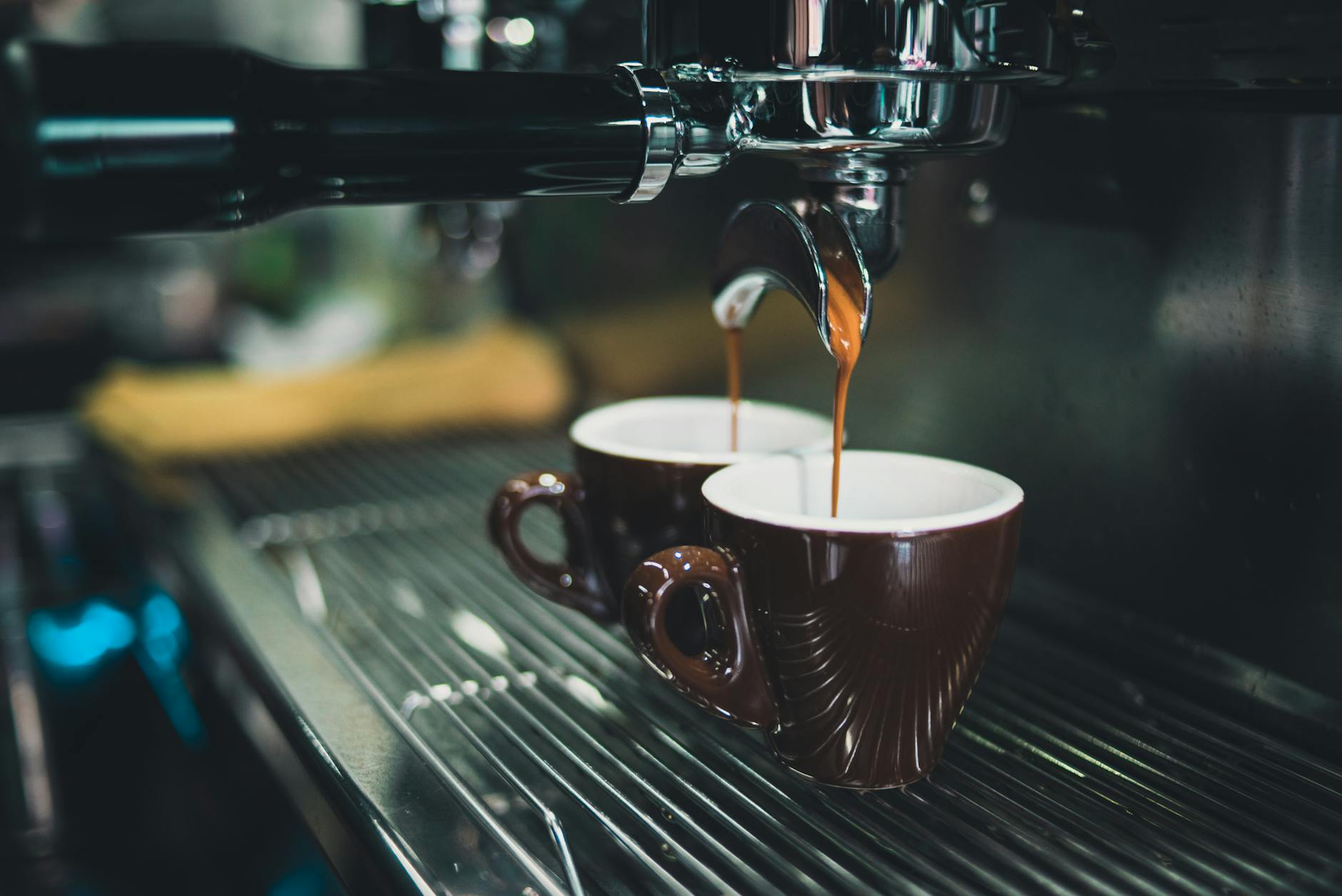
So if you weigh 60 kg, that’s roughly 180–360 mg of caffeine (1–2 strong espressos or a caffeine gel).
But not all workouts or races are the same. Let’s break it down:
🏃♀️ For races under 1 hour
A single moderate dose (~3 mg/kg) about 30–45 minutes before start is usually enough—especially for fast metabolizers.
🏃♂️ For longer events (over 90 minutes)
Consider splitting your intake:
- 1–2 mg/kg early on to stay alert
- Another 2–3 mg/kg in the second half (via gels, chews, or drinks)
This helps fight late-race fatigue without overloading your system early.
💬 Pro tip: Avoid high doses in capsule form just before a workout—they can cause stomach issues or absorb unpredictably. Gels, drinks, or coffee tend to be better tolerated.
🌀 Tolerance and Caffeine Cycling: Don’t Overdo It
If you’re a daily coffee drinker, your body might get used to caffeine. This reduces its performance benefits because your brain creates more adenosine receptors to compensate.
That’s why many athletes cycle off caffeine before key events to reset their sensitivity.
🚴♀️ Two Common Approaches:
- Caffeine taper: No caffeine for 7–10 days before a race (some benefits seen after just 4–5 days)
- Caffeine periodization: Use it only on hard workout days or races, and stay caffeine-free on easy/recovery days
This helps keep your response strong and avoids disrupting sleep or recovery.
🧠 Caffeine & the Brain: Mental Gains That Matter
Caffeine doesn’t just help your body—it also helps your mind. Research shows it can:
- Boost reaction time
- Improve decision-making
- Delay mental fatigue
- Lift mood and motivation in long events
This is especially helpful during ultras, trail runs, or multi-day efforts, where staying mentally sharp matters as much as physical stamina.
Some athletes use caffeinated gum or mouth rinses for a fast brain boost. These methods absorb quickly through your mouth lining and can be useful in the final push of a race—or when your stomach can’t handle more gels.
✅ How to Test Your Caffeine Strategy
Never try caffeine for the first time on race day. Just don’t.
Instead, experiment during training:
- Try different doses and timing
- Note how you feel—physically and mentally
- Watch out for side effects (GI distress, anxiety, insomnia)
- Consider tracking your sleep the night after
Then build your race-day routine based on what works best.
🏁 Takeaways: Smarter Caffeine Use = Better Running
Caffeine can be a game-changer—but only when used intentionally. Whether it helps you shave minutes off your 10K or keep your head straight at mile 20, it’s worth figuring out your personal strategy.
Here’s your quick checklist:
- ✅ Know your metabolism (fast vs. slow)
- ✅ Use 3–6 mg/kg ~45–60 min before effort
- ✅ Try staggered doses in long events
- ✅ Don’t overuse—cycle caffeine when needed
- ✅ Practice in training, not just on race day
Train smart, fuel smarter. ☕💪
👟 Ready to take your running to the next level? Check out my personalized coaching services.
Together, we can achieve your running goals and unlock your full potential!
See you in the next post & Feel Your Run,
Ely

 The Runderluster
Leave a comment