

Hey, fellow runners! Welcome back.
Ever wondered why your muscles get stronger—but your knees still ache after a long run?
It might not be your form, your shoes, or even your mileage.
It could be your tendons.
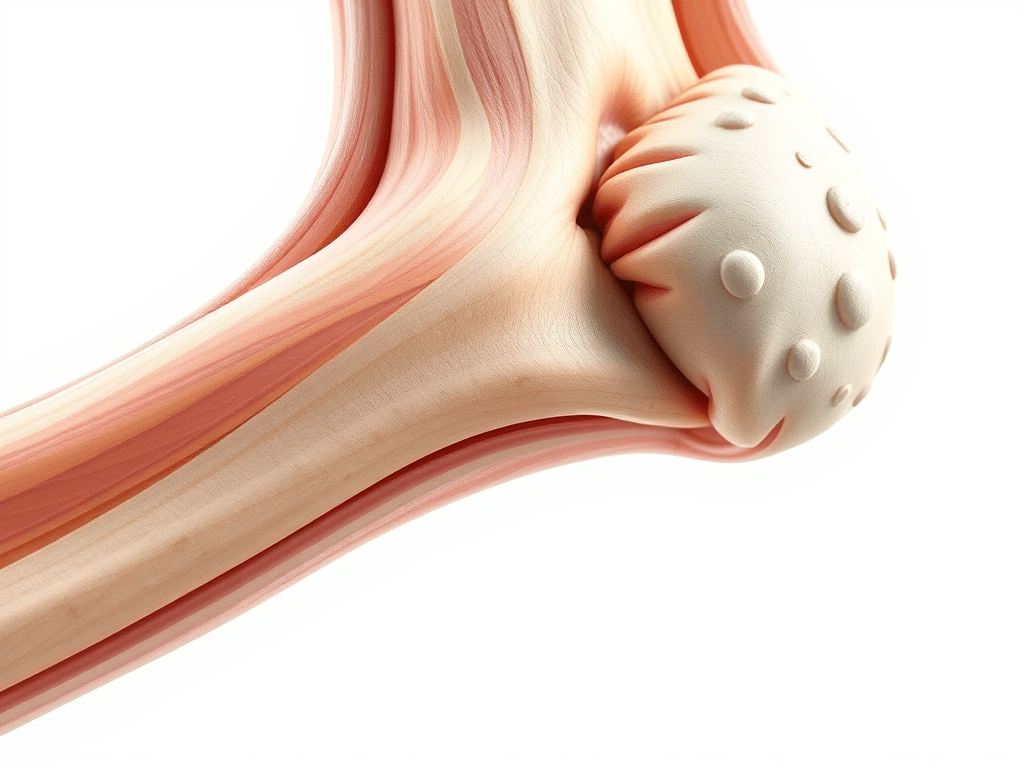
Tendons aren’t just passive ropes connecting muscle to bone. They’re powerful springs that store energy, transfer force, and protect your joints under load. Yet most runners ignore them—until injury hits.
If you want to run faster, train harder, and stay injury-free, it’s time to give your tendon system the attention it deserves.
Let’s dive into the why, the how, and what you can do—starting today. 👇
🧬 What Tendons Actually Do (and Why They Matter)
Muscles may generate force—but tendons deliver it.
Every time you stride, jump, or change direction, tendons absorb the impact, store energy like springs, and release it to power your next movement. This process is called the stretch-shortening cycle—and it’s what makes movement efficient and explosive.
But here’s the catch:
💡 Muscles adapt quickly. Tendons don’t.
While your muscles can grow and strengthen within weeks, tendons take months to adapt. That’s why building tendon health requires consistency and patience.
Without strong, stiff tendons, your movement becomes inefficient, your energy leaks, and your injury risk climbs—especially under high training loads.
🧠 Mental Shift: Train What You Can’t See
Elastic strength is invisible—until it breaks or shines.
You’re not just training muscles. You’re building biological rubber bands that store and return power.
This kind of work is slow. It doesn’t look impressive. But it’s what separates durable athletes from constantly injured ones.
🔁 Show up for the small stuff. It adds up.
🏗️ How to Train Your Tendons (the Smart Way)
To build tendon strength, you need more than just heavy lifts.
Tendons respond best to specific loading patterns that stimulate collagen remodeling and stiffness—without overloading delicate tissue.
Here’s your tendon-training toolbox:
1. 🧍♂️ Isometric Holds
Holding a position under tension (30–45 sec) fires up fibroblasts and promotes collagen remodeling.
Try:
- Wall sits
- Mid-range split squat holds
- Heavy isometric calf raises
⏱️ 3–5x/week is ideal, especially for runners dealing with patellar or Achilles issues.

2. 🐌 Eccentric Work (Slow Down!)
The lowering phase of movements (e.g., descending into a squat) loads tendons safely and deeply.
Think:
- Slow heel drops
- Nordic curls
- Tempo squats (3–5 second descents)
Perfect for rehab phases and athletes prone to tendon pain.

3. 🦘 Plyometrics
Once you’ve built some base capacity, it’s time to bounce.
Plyos improve your stretch-shortening cycle and teach your tendons to store and release energy fast.
Start small:
- Jump rope
- Pogo hops
- Bounding drills
Progress gradually in height and intensity.

4. ⏳ Tempo + Full ROM
Controlling movement through tempo work and using full ranges strengthens tendons at every angle.
Try:
- Bulgarian split squats
- Romanian deadlifts
- Step-downs
Use tempos like 3-1-1 (3s down, 1s pause, 1s up) or 2-0-2 for better control and joint stability.

5. 🔁 Frequency & Recovery
Tendons love frequent, submaximal exposure—not random overload.
📅 Aim for 2–3 sessions per week, spaced 48 hours apart.
🧃 Bonus: Take vitamin C + hydrolyzed collagen 30–60 min before tendon-focused work. It may boost collagen synthesis.

⚠️ Tendon Injuries: Silent, Stubborn, and Preventable
Tendon issues rarely come from one bad step.
They develop silently—through chronic overload, poor recovery, and weak support tissue.
Achilles tendinopathy, patellar tendinitis, and plantar fasciitis can stick around for months (or years) if ignored.
Why?
🔄 Tendons don’t heal like muscles. Damaged collagen gets disorganized, inflammation lingers, and performance drops.
That’s why tendon training needs to be proactive—not something you only think about once pain sets in.
🧠 Play the Long Game
Think of tendon training as a biological insurance policy.
🏃♀️ For runners and endurance athletes, stiff, springy tendons = better economy, faster paces, and less joint wear.
🏋️ For lifters and sprinters, it means better bar speed, quicker reactivity, and more force transfer.
🛡️ For everyone, it’s injury prevention and long-term capacity.
You don’t need to wait for pain.
Start now. Build strong scaffolding before the storm hits.
Conclusion
Strength without stiffness? Energy leaks.
Power without prep? Risk of snap.
If you want to perform better and stay in the game long term, tendon training isn’t optional—it’s essential.
💪 Treat your tendons like they matter.
🏃♂️ Train them like your performance depends on it.
Because it does.
👟 Ready to take your running to the next level? Check out my personalized coaching services.
Together, we can achieve your running goals and unlock your full potential!
See you in the next post & Feel Your Run,
Ely


 The Runderluster
Leave a comment