


Hey, fellow runners! Welcome back to my blog.
Ever wondered why some workouts leave you breathless and burning, while others feel almost easy? 🤔 Let’s talk about lactate threshold — your secret weapon to running faster and longer!
What’s Lactate Threshold Anyway? 🧪
Lactate threshold is basically the point when your body starts producing lactate faster than it can clear it out. Lactate itself isn’t bad — it’s just a byproduct of energy. But when it builds up, your muscles get tired faster because your body switches from using mostly oxygen (aerobic) to less efficient energy without oxygen (anaerobic).
Training around this threshold helps you push that tipping point further — meaning you can run harder, longer without burning out.

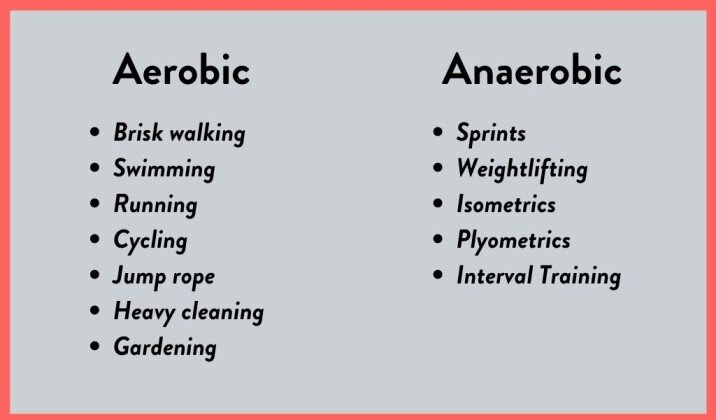
Aerobic vs. Anaerobic: The Energy Tug of War ⚡️ vs 💤
- Aerobic system: Uses oxygen, great for long steady runs.
- Anaerobic system: Kicks in during hard efforts, but produces lactate, which makes your muscles “burn.”
Raise your lactate threshold, and you improve your body’s ability to handle that burn, so you can keep running strong even when it gets tough.
Why You Should Care ❤️🔥
Run faster, longer: A higher lactate threshold means less fatigue at higher speeds.
More efficient energy: Your body balances aerobic and anaerobic systems better.
Trainable: Unlike VO2 max (mostly genetics), your lactate threshold improves with the right training.
Lactate: Friend or Foe? 🤝⚔️
Good stuff:
- Lactate fuels your heart, brain, and muscles.
- Training helps your body clear and use lactate better.
- It’s a solid marker to track fitness progress.
Not-so-good stuff:
- Too much lactate = muscle fatigue and that nasty burning feeling.
- Can cause soreness and longer recovery if you overdo it.
- Mental challenge: pushing near threshold isn’t always fun!
How to Handle It Like a Pro 🎯
Start slow: Gradually add threshold workouts.
Use active recovery between hard efforts.
Fuel and hydrate properly to keep energy and clearance smooth.
Find Your Lactate Threshold 🕵️♀️
DIY Field Tests:
- 30-minute time trial: Run steady hard for 30 min, average your heart rate/power last 20 min.
- Tempo runs: Run “comfortably hard” — you can talk in short sentences but no full chats!
Lab Testing:
If you want super precise data, labs measure blood lactate during graded exercise. Elite stuff for those who want exact zones!
Workouts to Boost Your Threshold 🔥
Tempo Runs: 20-40 min at threshold pace (comfortably hard).
Intervals: 6×3 min above threshold with 2 min easy between.
Long steady runs: 60-90 min below threshold to build endurance.
Cross-training: Swimming or rowing at threshold effort to reduce impact.
Tech That Makes It Easier 🎧⌚️
Heart rate monitors & power meters: Keep you in the right zone.
Wearables: Estimate your threshold and track progress.
Training apps: Help customize your workouts and analyze results.
Blood lactate analyzers: For serious data on the go.
AI coaching tools: Smart plans that adjust as you improve.
Conclusion
Lactate threshold is a game changer for anyone serious about endurance. With the right workouts and tools, you can run faster, longer, and smarter. So, are you ready to train your body to handle the burn and unlock your best performance yet? Let me know how you’re planning to use this info!
👟 Ready to take your running to the next level? Check out my personalized coaching services.
Together, we can achieve your running goals and unlock your full potential!
See you in the next post & Feel Your Run,
Ely

 The Runderluster
Leave a comment