

What’s the sweatiest mistake runners make without even realizing it? Spoiler: it’s not skipping leg day. 😅
Hey, fellow runners! Welcome back.
Let’s talk about something that could make or break your next long run, race, or even that easy recovery session: hydration. 💧
Not just “drink water and hope for the best” kind of hydration, but actual strategy based on science, sweat rates, and (drumroll)… electrolytes.
Why Water Isn’t Boring—It’s Your Secret Weapon
Did you know your body is basically a big bag of water (okay, around 60% of it)? Every time you run, water is working hard behind the scenes—cooling you down, transporting nutrients, fueling your muscles, and even helping you think straight.
Lose just 2% of your body weight in fluids and boom 💥—you’re looking at early fatigue, fuzzy thinking, and heavy legs. So no, dehydration isn’t just about feeling thirsty. It can kill your performance before you even notice.
The Sweat Math: How Much Do You Really Lose?
Everyone sweats differently. Genetics, heat, intensity—it all plays a role. So here’s a super simple method to figure out how much fluid you lose:
🧪 Sweat Test DIY:
- Weigh yourself before and after a run (don’t drink anything during it).
- Every 1 kg (2.2 lbs) lost = 1L (34 oz) of sweat.
- Multiply that by 1.5 to know how much to drink afterward.
👉 Example: Lost 1kg? Drink 1.5L (~50 oz) post-run. Easy math, big impact.

Electrolytes: Not Just a Buzzword
Now let’s talk about the crew that keeps your muscles firing: electrolytes.
They’re the reason your legs move, your nerves spark, and your energy stays up. Here’s the quick rundown:
- Sodium (Na⁺) – The MVP. Lost in sweat like crazy (up to 2000mg/L). Keeps your fluid levels in check and muscles from going haywire. Pro tip: Take in 300–800mg of sodium/hour during long sessions.
- Potassium (K⁺) – Supports nerve function and muscle contractions. Best sources? Bananas, oranges, sweet potatoes. 🍌
- Magnesium (Mg²⁺) – A little goes a long way. Helps prevent cramps and supports energy production. Think leafy greens, nuts, seeds.
- Calcium (Ca²⁺) – Not just for bones! It also helps with muscle control. Get yours from dairy, almonds, or fortified plant milks.
Hydration Fails (We’ve All Been There)
Let’s clear up a few classic mistakes:
❌ Chugging plain water only during long runs = 🚨 risk of hyponatremia (aka dangerously low sodium).
✔️ Balance fluids with electrolytes, especially during hot or long sessions.
❌ Guessing your sweat rate.
✔️ Do the weigh-in test and adjust based on heat, effort, and humidity.
❌ Ignoring hydration in cold weather.
✔️ You still sweat in the cold! Don’t skip the bottle just because it’s chilly.
❌ Testing new hydration strategies on race day.
✔️ Practice your drink plan during training. Your stomach will thank you.

How to Hydrate Like a Pro (No Overthinking)
🕐 Before Your Run:
Drink 500–700mL (16–24 oz) of water about 1–1.5 hours before. Add a pinch of salt or electrolytes if it’s hot out.
🏃 During the Run:
Aim for 400–800mL/hour (14–27 oz), especially during sessions longer than an hour. Pair it with 300–800mg sodium/hour to stay in the game.
🛁 After the Run:
Replenish 1.5x what you lost, and don’t forget potassium and magnesium from real foods. Think: a recovery smoothie with banana, spinach, and almond milk = win.
Conclusion
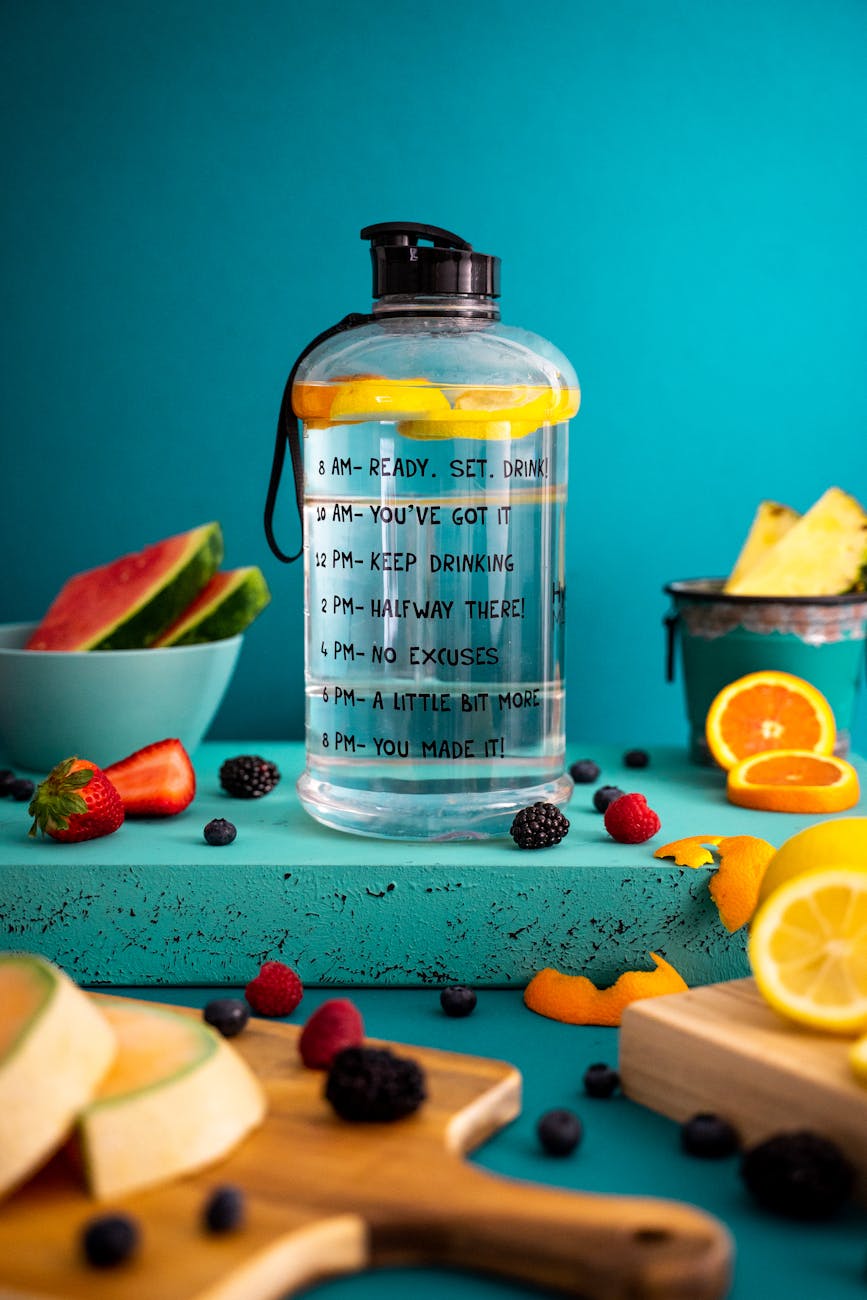
Hydration isn’t a “nice to have”—it’s your performance superpower. Whether you’re running 5K or prepping for your next marathon, knowing your fluid needs and topping up on electrolytes will keep your engine running smoothly. 🧠💪
And remember: drink smart, not just more.
👟 Ready to take your running to the next level? Check out my personalized coaching services.
Together, we can achieve your running goals and unlock your full potential!
See you in the next post & Feel Your Run,
Ely


 The Runderluster
Leave a comment