

Hey, fellow runners! Welcome back to my blog.
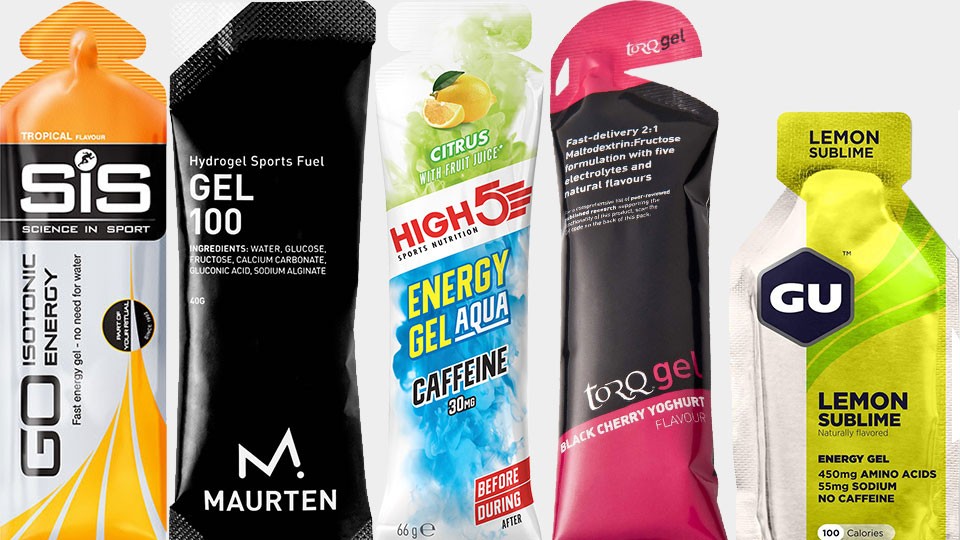
In the realm of endurance sports, nutrition is everything. Marginal gains can define victory or finishing, and when it comes to fueling strategies, energy gels are one of the most powerful tools at your disposal.
However, not all gels—or their usage—are created equal. Understanding the biochemical impact, optimal timing, and strategic usage of these gels can provide the edge necessary to outlast the competition.
The Biochemistry of Energy Gels and Performance
Energy gels are not just simple sugar packets—they are carefully engineered to deliver rapid, sustained energy that optimally fuels the body during prolonged periods of high-intensity exercise. The key lies in how these gels interact with the body’s metabolic processes, primarily through glycogen replenishment and blood glucose management.
Glycogen and Glucose: The Fuel of Endurance
During any endurance event, your muscles rely heavily on glycogen stored in both the liver and muscles to generate ATP, the energy currency of cells. In events lasting longer than 90 minutes, glycogen stores become significantly depleted, which leads to both physical and mental fatigue—often referred to as “hitting the wall.”
Key Benefits of Energy Gels:
- Fast-Acting Carbohydrates: Provide an immediate source of energy to maintain blood glucose levels and spare muscle glycogen stores.
- Optimal Carbohydrate Ratio: A 2:1 ratio of glucose to fructose allows for maximal carbohydrate oxidation rates, approximately 90 grams per hour.
- Caffeine: Enhances the mobilization of fatty acids, increasing their use as a fuel source and sparing glycogen.

Strategic Implementation During Endurance Events
While the biochemical mechanisms of energy gels are crucial, their effectiveness is heavily dependent on timing and usage. The strategy of when and how often to consume energy gels can make a significant difference in performance, particularly in multi-hour races.
Pre-Race: Loading Glycogen and Topping Off Energy Reserves
Consuming an energy gel 15 minutes prior to the event can help to “top off” glycogen stores, ensuring that blood glucose levels are stable and ready for the demands ahead. This is particularly important in high-intensity starts, such as in triathlons or ultra-distance events.
In-Race: Timing and Distribution of Energy Gels
The key to optimizing gel intake during a race is timing and dosage. A common guideline is to consume 30-60 grams of carbohydrates per hour (in the form of gels), depending on the intensity and duration of the race. Caffeine gels may be strategically reserved for moments when a mental or physical boost is required—often in the later stages of the race.
Hydration Pairing: Why It’s Essential
One common mistake is consuming gels without sufficient hydration. Many energy gels, particularly those with a higher concentration of carbohydrates, require ample water intake to facilitate proper digestion and absorption. A well-hydrated athlete absorbs nutrients more efficiently, leading to better performance outcomes.

Types of Energy Gels
Standard Carbohydrate Gels:
- Description: Packed with simple carbohydrates, designed to quickly replenish glycogen stores during exercise.
- Usage: Best consumed every 30-45 minutes during a long event.
- Pros: Simple, fast-absorbing energy.
- Cons: Some athletes experience gastrointestinal distress with frequent gel use.
Caffeine-Infused Gels:
- Description: Contain carbohydrates and a measured dose of caffeine.
- Usage: Consumed when an extra mental and physical boost is needed.
- Pros: Improves alertness and delays the onset of fatigue.
- Cons: Overconsumption can lead to jitteriness and stomach upset.
Hydrogel Technology Gels:
- Description: Utilize hydrogel technology to encapsulate carbohydrates, making them easier to digest.
- Usage: Ideal for long-distance races.
- Pros: Reduces gastrointestinal distress.
- Cons: Tend to be more expensive.
Electrolyte Gels:
- Description: Contain added electrolytes to help maintain proper hydration and prevent muscle cramping.
- Usage: Best for use in hot races or for athletes who sweat heavily.
- Pros: Helps prevent electrolyte imbalances.
- Cons: Need to be paired with water for complete hydration.
Recovery Gels:
- Description: Used post-exercise, containing a blend of carbohydrates and proteins to aid in muscle repair and glycogen replenishment.
- Usage: Consumed immediately after a long or intense session.
- Pros: Efficient way to kickstart the recovery process.
- Cons: Not always needed for shorter or lower-intensity sessions.
The Role of Energy Gels in Recovery and Long-Term Performance
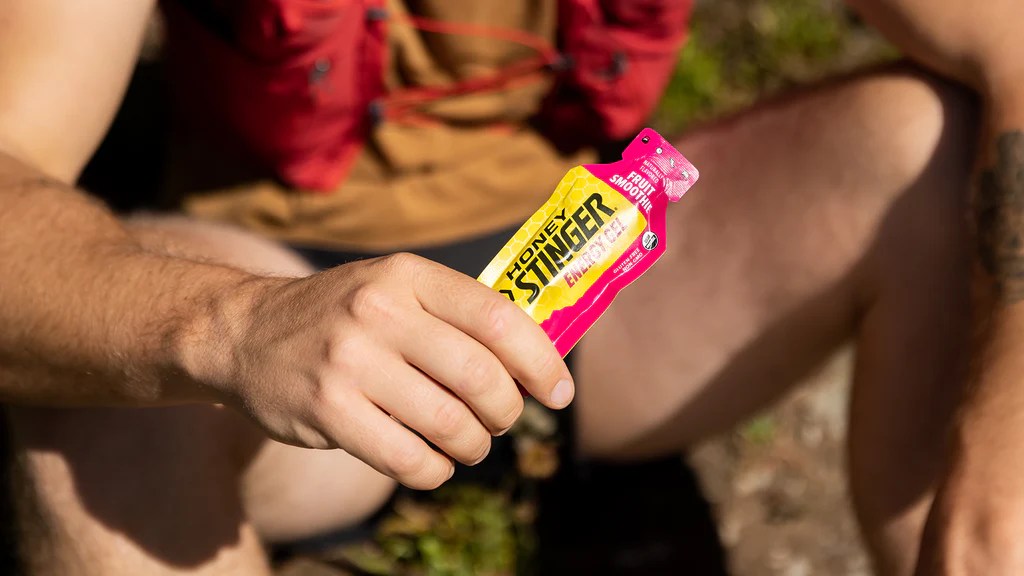
Post-event recovery is often overlooked in the context of energy gels, but it is a critical component for elite athletes who focus on long-term performance and recovery between events.
Post-Race Glycogen Replenishment
After a grueling endurance event, the body’s glycogen stores are almost entirely depleted. Immediate post-race recovery, within the first 30 minutes, is the prime window for glycogen resynthesis. Consuming an energy gel post-race, paired with a source of protein, can dramatically enhance recovery by providing the carbohydrates necessary to restore glycogen levels and initiate muscle repair.
Long-Term Adaptation: Energy Gel Training
By regularly incorporating energy gels into training sessions, athletes can enhance their gut’s ability to absorb and utilize carbohydrates without gastrointestinal distress. This process, often called “gut training,” is essential for elite athletes who need to maximize carbohydrate intake during ultra-endurance events.

Conclusion
Energy gels are a vital tool for endurance athletes, providing rapid, sustained energy that fuels the body during prolonged periods of high-intensity exercise. By understanding the biochemical impact, optimal timing, and strategic usage of these gels, you can enhance your performance, recovery, and overall endurance.
👟 Ready to take your running to the next level? Check out my personalized coaching services.
Together, we can achieve your running goals and unlock your full potential!
See you in the next post,
Ely

 The Runderluster
Leave a comment