

Hey, fellow runners! Welcome back to my blog.
The foundation of every great run starts from the ground up. The right shoes don’t just protect your feet—they unlock your potential. So, how do you choose the perfect running shoes?
Let’s find out first by subdividing the macro categories of shoes necessary to distinguish!
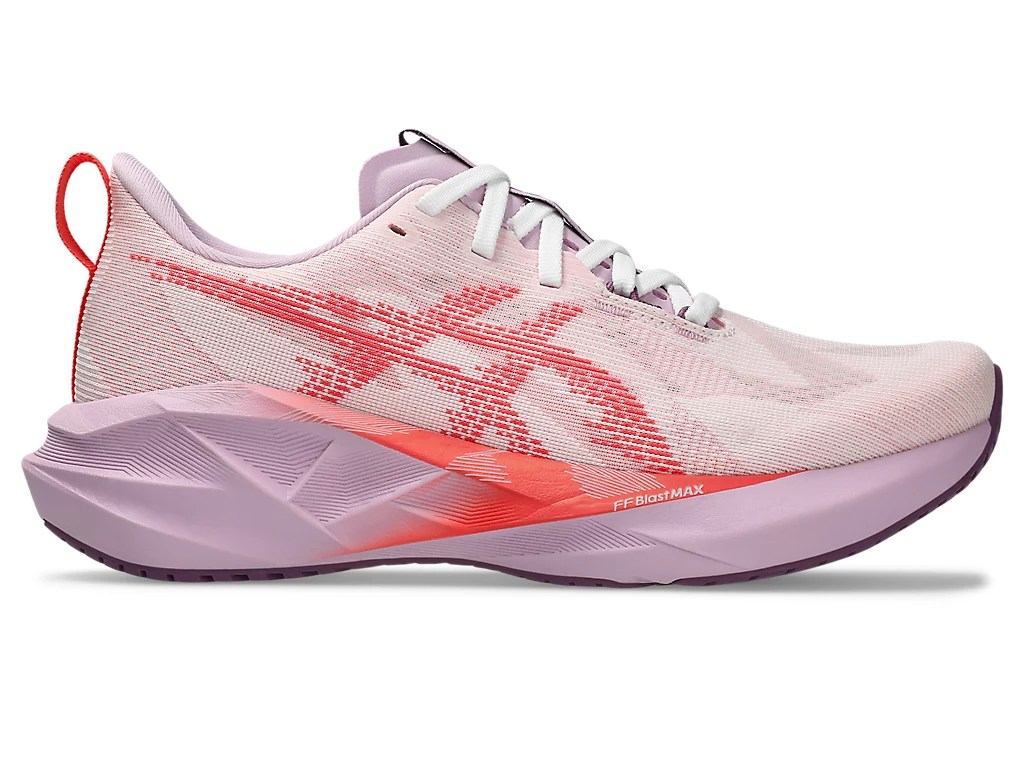
ROAD RUNNING SHOES
Road running offers a consistent surface that allows athletes to refine their pacing, test their endurance, and measure progress precisely. Yet, the hardness of roads presents specific biomechanical challenges that demand finely tuned footwear.
Why Road Running Requires Specialized Shoes
Road running demands a unique set of requirements from your footwear, shaped by the specific challenges of pounding hard surfaces mile after mile. Unlike softer terrains that provide some degree of natural shock absorption, concrete and asphalt reflect the full force of each step back into your body. This creates stress, especially on vulnerable joints like the knees and ankles, and over time, it can lead to common overuse injuries such as shin splints, plantar fasciitis, or runner’s knee.
Key Features of Road Running Shoes:
- Cushioning Technologies: Absorb and redistribute impact forces.
- Energy Efficiency: Carbon-plated shoes help conserve energy by reducing toe-off effort.
- Stability: Address overpronation and supination to prevent injuries.
TRAIL RUNNING SHOES
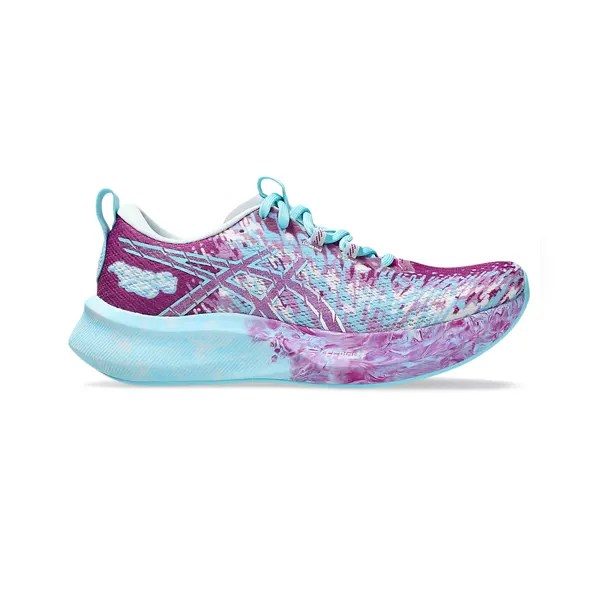
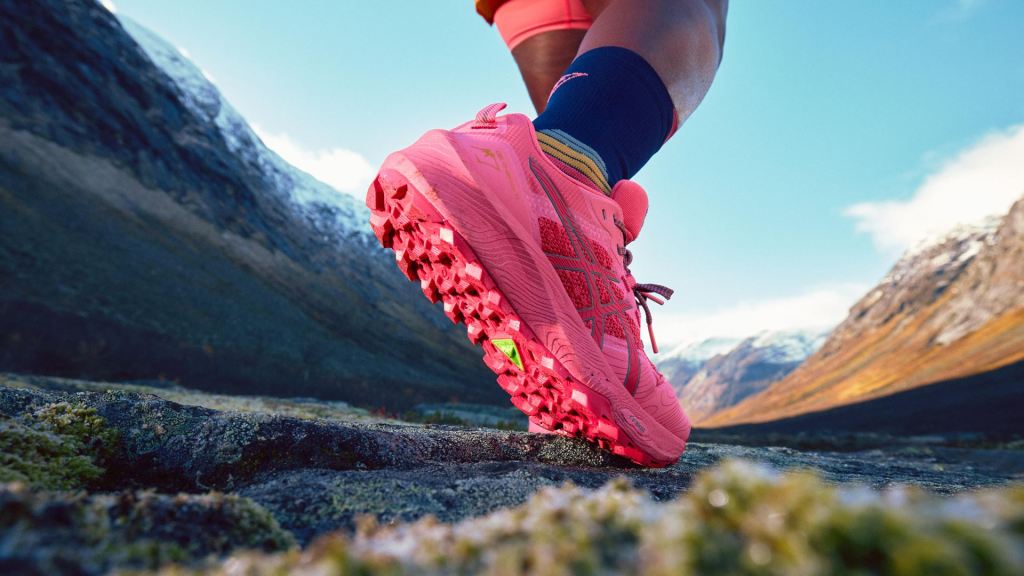
Trail running is a journey into nature’s unpredictable beauty, presenting constantly changing terrain that challenges even the most experienced athletes. Unlike the flat predictability of roads, trails demand footwear that balances grip, protection, and adaptability.
Why Trail Running Shoes Are Unique
Trail running presents a dynamic and often unpredictable environment, far removed from the uniformity of paved roads. The ever-changing terrain demands footwear that can adapt to loose gravel, muddy slopes, and jagged rocks—all within a single run.
Key Features of Trail Running Shoes:
- Grip: Aggressive lugs and sticky rubber outsoles for traction.
- Protection: Rock plates and reinforced uppers to shield against hazards.
- Stability: Wider platforms and adaptive support systems to prevent ankle rolls.
TRACK RUNNING SHOES
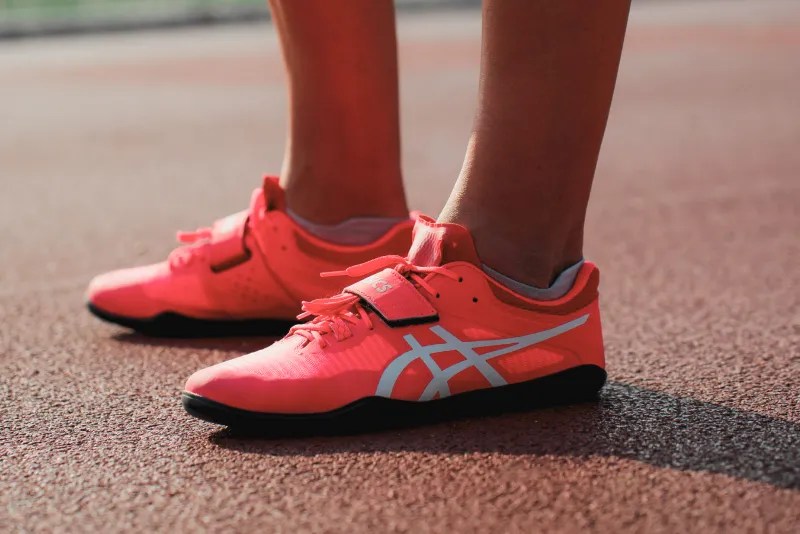
Track running is a discipline where explosive power meets exacting precision, executed on a surface designed for speed. Whether sprinting short distances or racing over longer events, the demands of track running are unique, requiring shoes that amplify energy transfer while remaining featherlight.
Why Track Running Shoes Are Unique
The hallmark of track running footwear is propulsion, particularly for sprinters who rely on rapid force application. Sprint spikes are built with stiff plates that act as springs, storing energy during footstrike and releasing it explosively at toe-off.
Key Features of Track Running Shoes:
- Propulsion: Stiff plates for energy storage and release.
- Lightweight Construction: Eliminates unnecessary bulk for speed.
- Traction: Strategically placed pins for grip on tight turns and powerful strides.
Conclusion
From the rhythmic consistency of road running to the wild unpredictability of trails and the extremes of track races, running shoes are finely tuned instruments of performance. The right shoes ensure every runner, whether chasing a personal best or conquering new distances, has the tools to thrive.
👟 Ready to take your running to the next level? Check out my personalized coaching services.
Together, we can achieve your running goals and unlock your full potential!
See you in the next post,
Ely

 The Runderluster
Leave a comment