
Hey, fellow runners! Welcome back to my blog.
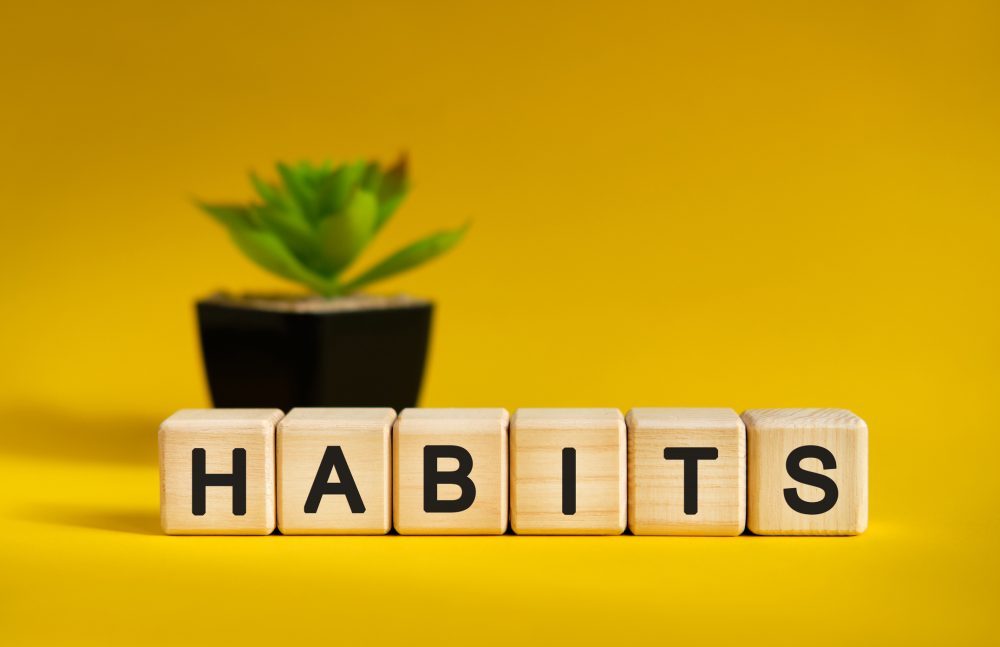
The start of a new year brings fresh motivation and the perfect opportunity to establish healthy fitness habits that stick. Building sustainable habits is about creating systems that make fitness a consistent and rewarding part of your lifestyle. By focusing on small, actionable changes and setting achievable goals, 2025 can be the year you unlock your full potential.
The Science of Habit Formation
Healthy fitness habits are deeply rooted in behavioral psychology and physiological adaptation. At the core lies the habit loop—cue, routine, reward—a framework for reinforcing positive behaviors. A cue might be as simple as an alarm signaling workout time. This initiates the routine: exercise, whether it’s a strength session, run, or yoga flow. The reward—a surge of endorphins, a progress log update, or a post-workout smoothie—cements the habit by triggering a dopamine release in the brain, encouraging repetition.
For instance, Sarah, a marathon runner preparing for her first race in 2025, uses a morning alarm as her cue. Each day, she starts her training with a short, easy jog to reinforce the routine. Logging her progress on a running app and enjoying a post-run smoothie provides the reward, making her morning runs an ingrained part of her day. This structured approach helps her gradually increase mileage while building a sustainable habit.

Strategies for Building Fitness Habits
Building lasting fitness habits requires careful planning and a commitment to gradual improvement. Begin with small, manageable routines to establish consistency. For instance, dedicating just 10 minutes each day to basic movement—such as stretching, yoga, or a brisk walk—lays the groundwork for more ambitious goals. This approach minimizes barriers to entry and builds momentum. Over time, these micro-habits can evolve into longer sessions, like a 45-minute strength workout or an endurance-focused run.
Sarah, the aspiring marathon runner, started her training with 10-minute post-lunch jogs around her block. This accessible habit minimized disruption to her daily schedule while building consistency. As her routine solidified, she incrementally extended her runs, progressing from 10 minutes to 45-minute training sessions over several weeks. This gradual approach prevented burnout and allowed her to track steady progress.

Goal-Setting and Environment
Goal-setting is crucial for habit formation, and the SMART framework—Specific, Measurable, Achievable, Relevant, Time-bound—offers a proven blueprint. For example, instead of vaguely stating, “I want to get fit,” refine the objective to, “I will complete three 20-minute HIIT sessions per week by March.” This specificity not only increases accountability but also provides clear metrics for tracking progress.
Your environment also plays a pivotal role. Research published in the journal Health Psychology Review highlights the importance of “situational cues” in reinforcing habits. Keep workout equipment visible and accessible—a yoga mat in your living room or resistance bands near your desk. Prepare your gym clothes the night before to eliminate decision fatigue. By structuring your surroundings to encourage action, you reduce friction and make it easier to follow through on your intentions.
Tracking progress with tools like fitness apps or wearables provides immediate feedback, reinforcing the satisfaction of accomplishment. These technologies can also offer insights into your performance, highlighting areas for improvement and celebrating milestones, such as increased running distance or higher weight lifted.

Overcoming Challenges
Even the most well-constructed plans face obstacles. Motivation is a common culprit; it fluctuates based on mood, energy levels, and external stressors. Relying solely on motivation is risky, as it’s inherently unstable. Instead, focus on building discipline. Treat workouts as fixed appointments in your calendar and adhere to them with the same consistency as a work meeting or family obligation.
Sarah encountered motivational dips during her marathon training—particularly on cold, dark mornings. To overcome these challenges, she scheduled her runs immediately after breakfast and laid out her gear the night before. By tying her training to a consistent daily activity and eliminating excuses, she ensured that her routine remained intact, even on tougher days.
Fatigue and recovery mismanagement can also derail progress. Chronic fatigue, often resulting from insufficient rest, impacts not only physical performance but also mental focus. To mitigate this, prioritize sleep—at least 7-9 hours per night—and incorporate active recovery days. Low-intensity activities like walking or mobility work enhance circulation and reduce muscle soreness without placing undue strain on your body. Research in the Journal of Sports Science & Medicine underscores the role of active recovery in improving subsequent training performance.
When time constraints threaten your routine, opt for high-efficiency training methods like High-Intensity Interval Training (HIIT). Studies in the Journal of Physiology reveal that a 20-minute HIIT session can deliver similar cardiovascular and metabolic benefits to an hour of moderate-intensity exercise. This makes HIIT an ideal solution for those balancing busy schedules.
Setbacks and plateaus are inevitable, but they’re also opportunities for growth. When progress stalls, re-evaluate your training plan. Incorporate novel stimuli, such as plyometric drills to boost power or endurance circuits to challenge aerobic capacity. Consulting with a coach or trainer can provide valuable insights and inject variety into your regimen, reigniting both physical and mental engagement.

Conclusion
Building positive, healthy fitness habits in 2025 is all about starting small, staying consistent, and adapting as you grow. By understanding the science of habit formation, setting achievable goals, and addressing challenges proactively, you can create a sustainable fitness routine that enhances every aspect of your life. Make this year your strongest yet by taking the first step today.
👟 Ready to take your running to the next level? Check out my personalized coaching services.
Together, we can achieve your running goals and unlock your full potential!
See you in the next post,
Ely

 The Runderluster
Leave a comment