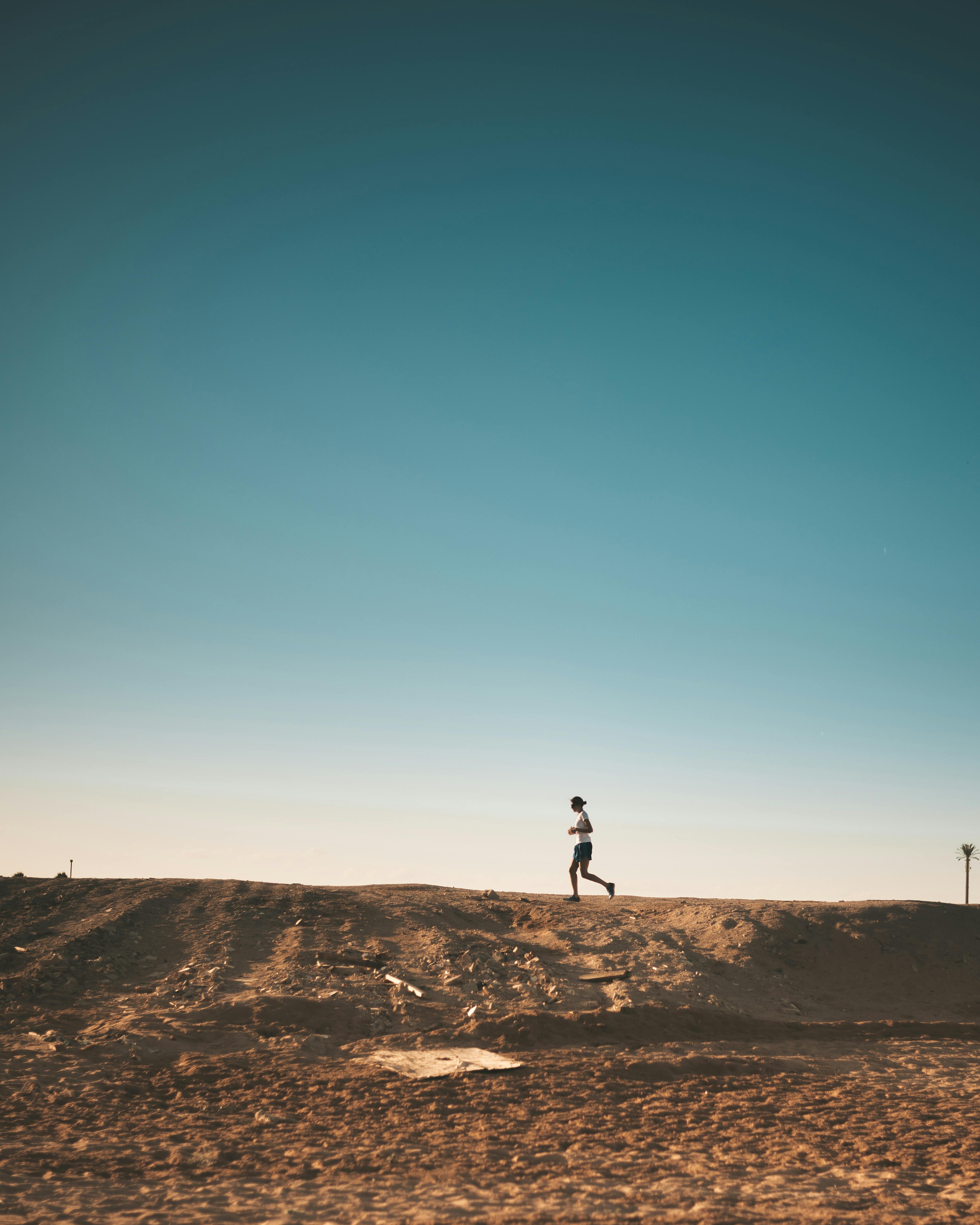
Hey, fellow runners! Welcome back to my blog.
Imagine waking up every morning feeling fully recharged, mentally sharp, and physically ready to tackle your toughest workouts. For athletes, sleep isn’t just a luxury—it’s a cornerstone of performance and recovery.
While training and nutrition often steal the spotlight, sleep is the ultimate recovery tool that can make or break your athletic success.
In today’s blog post, we dive into the world of biohacking sleep. We’ll explore the science behind why sleep is critical for athletes, uncover common sleep disruptors, and provide actionable techniques to optimize your rest for maximum recovery and performance.
Let’s unlock the potential of a good night’s sleep.

The Science of Sleep and Athletic Recovery
Sleep enhances muscle repair, hormonal balance, and cognitive function—all essential for peak performance.
Key Benefits:
- Supports muscle recovery and growth
- Regulates hormones like growth hormone and cortisol
- Improves reaction times and decision-making
- Strengthens the immune system
The Role of Sleep in Muscle Repair and Recovery
Deep Sleep: Also known as slow-wave sleep, this critical phase is where the body undertakes physical repair. The pituitary gland releases growth hormone, which helps repair damaged muscle fibers, build new tissue, and replenish glycogen stores.
REM Sleep: Vital for cognitive recovery, REM sleep is associated with vivid dreams. During this phase, the brain processes information, consolidates memories, and improves neural connectivity.
Circadian Rhythms: Your body operates on a 24-hour cycle that regulates sleep-wake patterns, hormonal secretion, and body temperature. Disruptions to this rhythm can negatively impact athletic performance.
Hormonal Regulation:
- Cortisol Reduction: Quality sleep reduces cortisol levels, a stress hormone that can impair recovery.
- Testosterone Production: Sleep maintains testosterone levels, crucial for muscle growth and recovery.
- Appetite Hormones: Sleep regulates leptin and ghrelin, controlling hunger and satiety.
Common Sleep Disruptors for Athletes
- Overtraining and Elevated Cortisol Levels: Intense training increases cortisol levels, disrupting sleep patterns and impairing muscle recovery.
- Blue Light Exposure: Blue light from screens inhibits melatonin production, delaying sleep onset.
- Erratic Sleep Schedules: Inconsistent training times and late-night competitions can confuse the body’s internal clock.
- Nutritional Timing: Consuming large meals, caffeine, or alcohol close to bedtime interferes with sleep.
Biohacking Techniques for Optimal Sleep
1. Establish a Consistent Sleep Schedule
- Consistency: Go to bed and wake up at the same time every day, including weekends.
- Light Exposure: Get sunlight exposure in the morning to help regulate your internal clock.
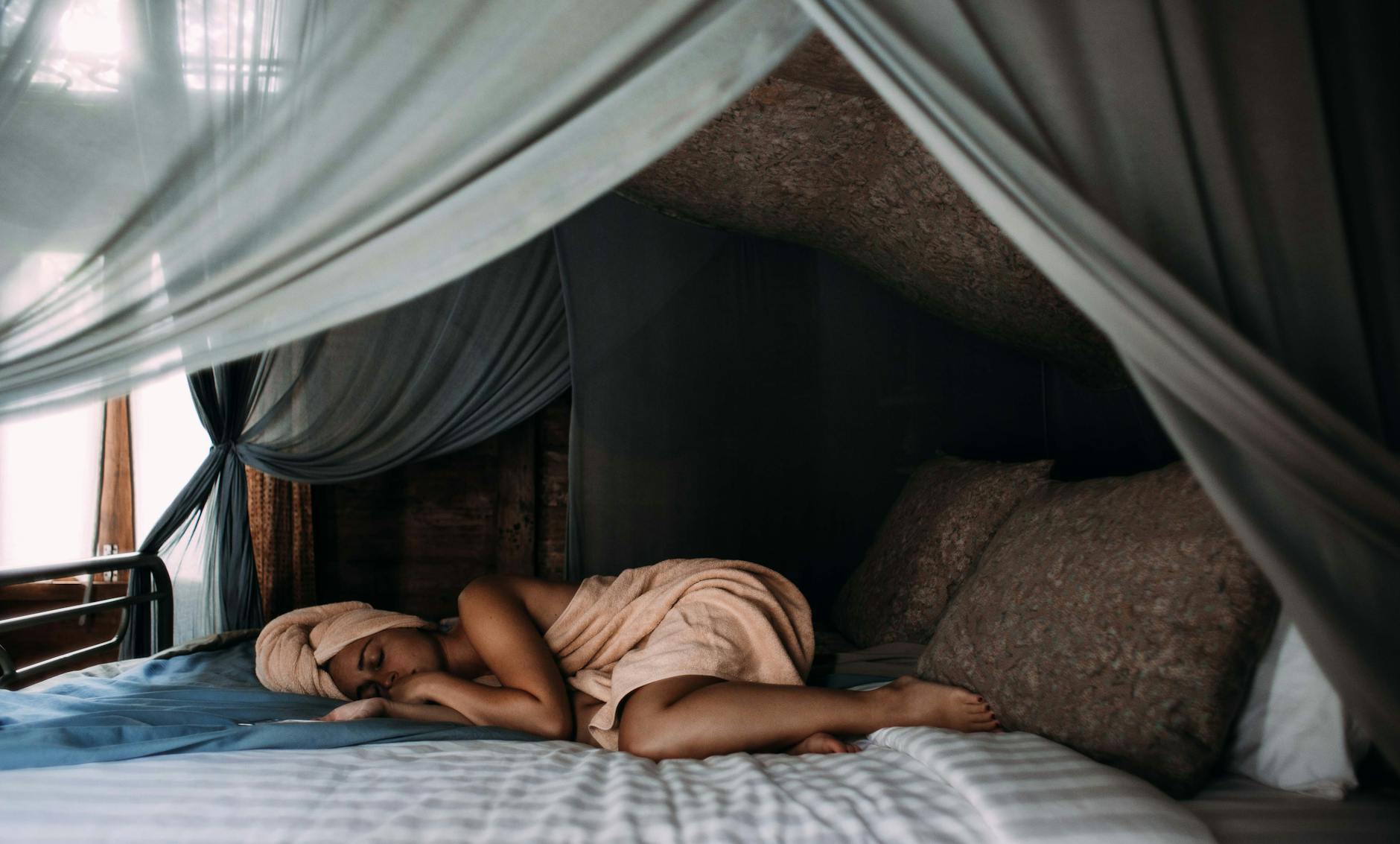
2. Optimize Your Sleep Environment
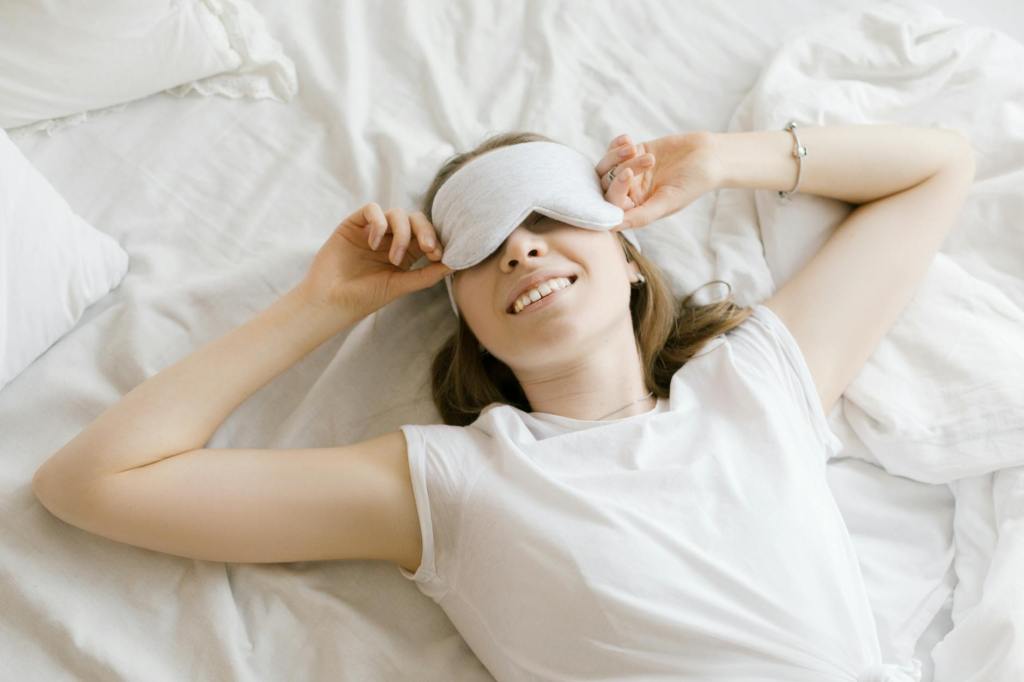
- Darkness: Use blackout curtains or a sleep mask to eliminate light.
- Temperature: Keep your bedroom between 60–67°F (15–19°C).
- Sound: Use white noise machines or earplugs to create a quiet environment.
3. Limit Blue Light Exposure
- Avoid Screens: At least 1–2 hours before bed.
- Blue Light Blockers: Use glasses or apps like f.lux to minimize blue light exposure.
4. Optimize Nutrition for Sleep
- Magnesium: Found in spinach, almonds, and dark chocolate, helps relax muscles.
- Tryptophan-Rich Foods: Include turkey, eggs, and dairy products.
- Avoid Stimulants: Limit caffeine and high-sugar foods in the afternoon and evening.
5. Incorporate Relaxation Techniques
- Mindfulness Meditation: Calm the mind and reduce stress before bed.
- Breathing Exercises: Techniques like the 4-7-8 method help activate the parasympathetic nervous system.
- Progressive Muscle Relaxation: Sequentially tensing and relaxing each muscle group.
6. Leverage Sleep-Enhancing Tools
- Wearable Trackers: Devices like the WHOOP and Oura Ring monitor sleep stages and recovery.
- Weighted Blankets: Simulate deep pressure stimulation, reducing anxiety.
- Aromatherapy: Essential oils like lavender and chamomile aid sleep.
Advanced Sleep Strategies for Athletes
Sleep Banking Before Competition: Extend sleep duration in the days leading up to a competition to mitigate the effects of pre-race anxiety and poor sleep.
Napping for Recovery: Short naps of 20–30 minutes can improve alertness, mood, and recovery without disrupting nighttime sleep.
Jet Lag Management: Gradually adjust sleep schedules before traveling across time zones. Use natural light and melatonin supplementation to reset the body’s internal clock.
Case Study: Sleep Optimization for a Triathlete
Athlete: Mark, an amateur triathlete
Challenge: Inconsistent sleep leading to poor recovery and fatigue during training.
Solution:
- Established a consistent bedtime and wake-up time.
- Eliminated blue light exposure an hour before bed.
- Incorporated a bedtime routine with chamomile tea and progressive muscle relaxation.
- Used a WHOOP sleep tracker to monitor sleep quality.
- Adjusted evening nutrition to include magnesium-rich foods and avoided caffeine after 2 PM.
Outcome: Improved sleep quality, faster recovery, and enhanced performance during training sessions. Mark shaved 15 minutes off his half-Ironman time.

Visualization: A Perfect Sleep Routine for Athletes
- Evening Wind-Down (7:00 PM): Avoid heavy meals and caffeine. Begin reducing screen time.
- Relaxation Routine (9:00 PM): Engage in meditation or gentle yoga.
- Bedtime Prep (9:30 PM): Dim the lights, apply lavender essential oil, and ensure your bedroom is cool and dark.
- Sleep Time (10:00 PM): Maintain a consistent bedtime.
- Morning Routine: Wake up at the same time daily and expose yourself to natural light within 30 minutes of waking.
Conclusion
Sleep is the ultimate performance enhancer for athletes. By biohacking your sleep with strategic routines, tools, and techniques, you can unlock new levels of recovery, resilience, and performance. Prioritize sleep, and let it become your secret weapon for achieving your athletic goals.
👟 Ready to take your running to the next level? Check out my personalized coaching services.
Together, we can achieve your running goals and unlock your full potential!
See you in the next post,
Ely

 The Runderluster
Leave a comment