

Hey, fellow runners, welcome back to my blog!
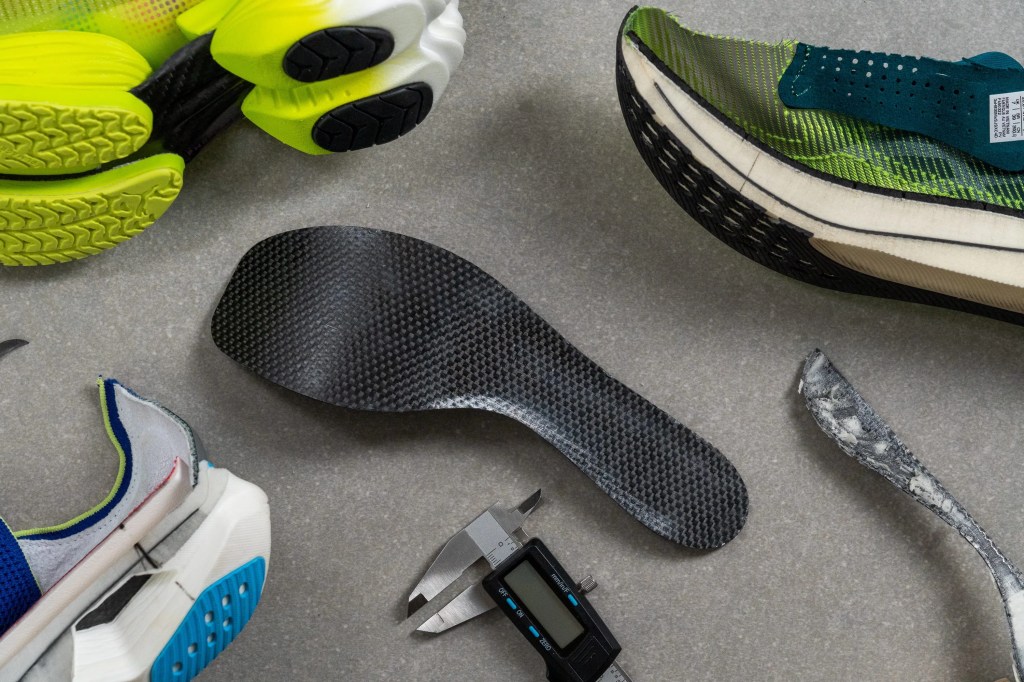
From Nike Alphaflys to On Cloudbooms, carbon-plated shoes are revolutionizing the running world. They’re helping athletes smash records and achieve new personal bests. These innovative designs aren’t just about speed—they’re about transforming how you run.
So, how can carbon running shoes elevate your performance? Let’s see it together below!
Key Benefits of Carbon Running Shoes
- Carbon fiber’s role: Ultra-lightweight and strong, carbon fiber in running shoes acts as a spring to store and release energy, improving running efficiency by reducing effort and enhancing propulsion.
- Performance benefits: Carbon shoes improve running economy, increase speed, and reduce muscle fatigue, offering significant advantages, especially for long-distance runners.
- Considerations: While carbon shoes can boost performance, they’re expensive, have a limited lifespan, and may require an adaptation period due to changes in running mechanics.
Why Carbon Fiber? The Science Behind the Material
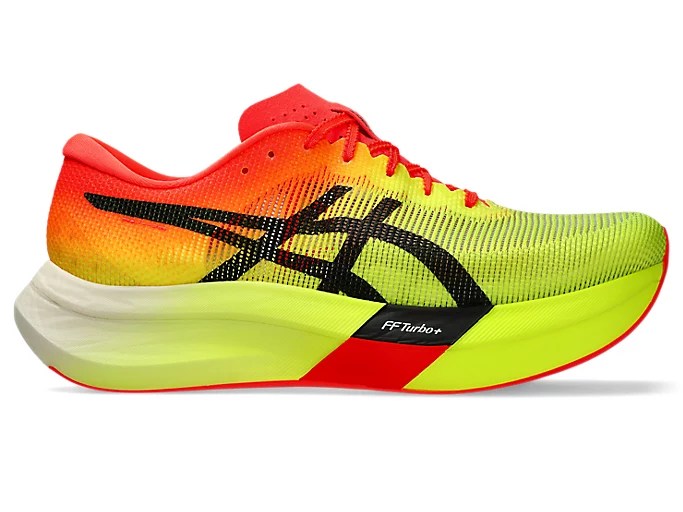
Carbon fiber is the secret ingredient in the modern running shoe revolution. Its unique properties make it an ideal choice for high-performance footwear.
Carbon Fiber: Lightweight, Strong, and Rigid
- Strength-to-weight ratio: Carbon fiber is five times stronger than steel (!) while being significantly lighter.
- Rigidity: Provides a stable, inflexible base that minimizes energy loss with each foot strike, storing and returning energy to propel the runner forward.
Spring-Like Propulsion: How Carbon Improves Efficiency
- Lever action: The carbon plate bends slightly upon foot strike, storing mechanical energy and releasing it to aid in forward propulsion.
- Energy savings: Reduces the energy cost of running by 4%, crucial for endurance races like marathons.
Carbon’s Role in Enhanced Running Economy
- Running economy: Improves how efficiently a runner uses oxygen at a given pace.
- Smoother gait cycle: Reduces the “sinking” effect in softer midsole shoes, allowing for quicker transitions and improved cadence.
Performance Gains with Carbon-Plated Shoes
How Carbon Shoes Impact Speed and Endurance
- Speed: The rigid carbon plate acts as both a propulsion mechanism and a stability tool, allowing athletes to maintain faster paces for longer periods.
- Endurance: Reduces the metabolic cost of running, creating a sensation of being propelled forward with minimal effort.
Better Recovery and Reduced Muscle Fatigue
- Muscle fatigue: Minimizes strain on muscles, particularly the quadriceps, delaying the onset of muscle soreness and fatigue.
- Recovery: Expedites recovery between intense workouts or races, allowing athletes to train more frequently and with greater intensity.
The Competitive Edge: Race Day Performance
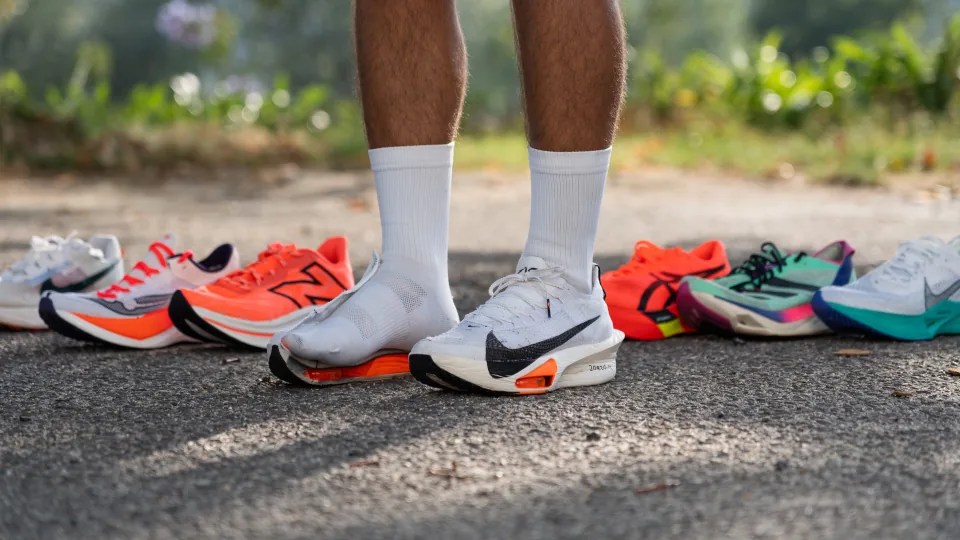
- Race day: Marathon world records and personal bests have been shattered by athletes wearing these shoes.
- Non-elite benefits: Non-elite runners also experience performance gains similar to their professional counterparts.
Top Carbon Running Shoes
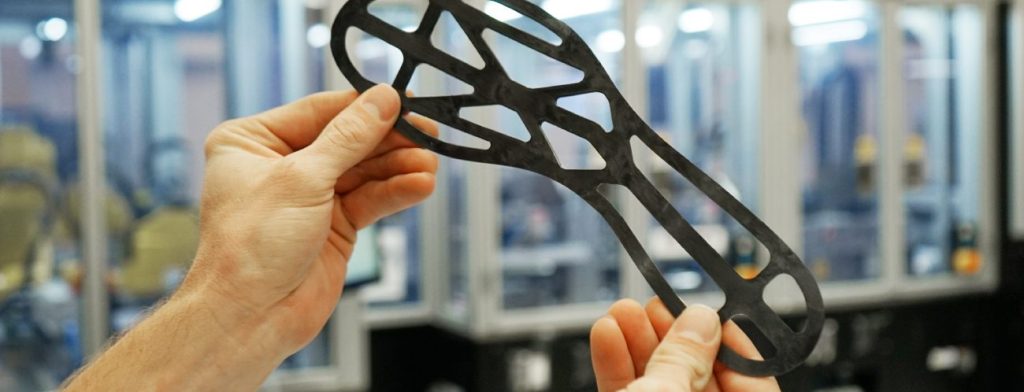
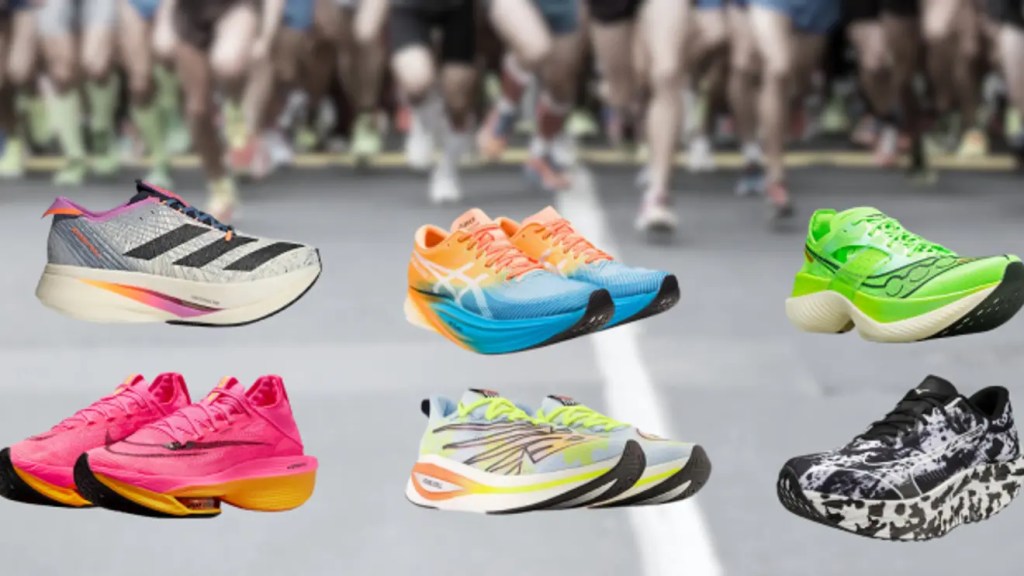
Here are three of the leading carbon running shoes currently on the market:
- Nike Air Zoom Alphafly 3: Features a full-length carbon fiber plate and three Zoom Air units in the forefoot, designed for exceptional propulsion and cushioning. Priced at $284.99 on Nike’s official website.
- On Cloudboom Strike: Known for its lightweight design and advanced CloudTec® cushioning technology. Priced at $260 on On Running’s official website.
- Asics Metaspeed Sky: Incorporates a full-length carbon plate for energy return and a Flightfoam® Turbo midsole for superior cushioning. Priced at $220 on Asics’ official website.
Are Carbon-Plated Shoes Right for Every Runner?
While the performance benefits of carbon shoes are well-documented, they’re not a one-size-fits-all solution. Here’s what you need to consider:
Who Should Use Carbon Shoes?
- Elite or competitive runners: Can provide the marginal gains needed to improve race times, particularly in longer distances.
- Casual runners: May not experience the same benefits and should consider their specific running goals.
Adaptation and Potential Drawbacks
- Biomechanical changes: The stiffness of the carbon plate alters the biomechanics of your stride, increasing the load on the calves and Achilles tendons.
- Gradual introduction: Introduce carbon shoes gradually into your training to avoid injury.
- Cost: Often ranging from $200-$300, with a limited lifespan of 200-300 miles.
Future of Carbon Technology in Footwear
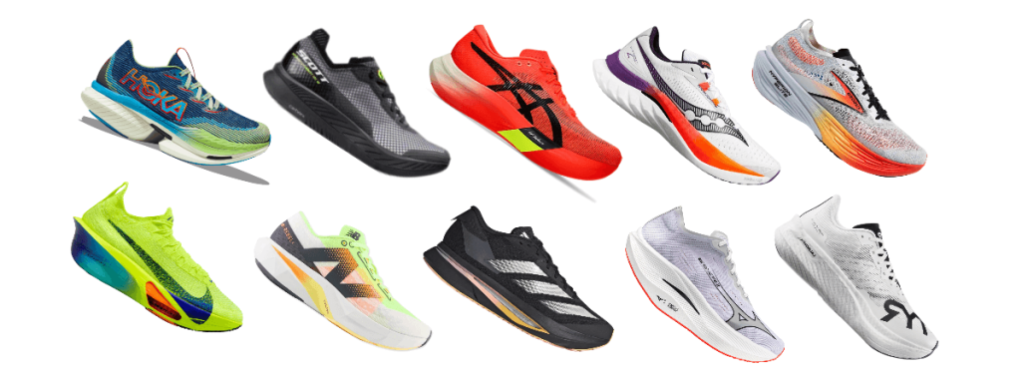
The technology behind carbon-plated shoes continues to evolve. The latest models are lighter, more durable, and more accessible to a wider range of athletes. Brands like Nike, On Running, and Adidas have fine-tuned their designs to create shoes tailored to different distances, from 5Ks to ultramarathons.
Conclusion: Carbon-Plated Shoes and the Future of Running
The introduction of carbon fiber technology in running shoes has redefined performance standards in the sport. With their ability to enhance running economy, increase speed, and reduce muscle fatigue, these shoes offer an undeniable advantage to competitive runners. However, it’s important to use them strategically, considering the physical demands they place on your body and your specific running goals.
Carbon shoes have not only helped athletes break records but have also empowered recreational runners to achieve personal bests. If you’re looking for that extra edge in your next race, carbon-plated shoes may be just the tool you need.
👟 Ready to take your running to the next level? Check out my personalized coaching services.
Together, we can achieve your running goals and unlock your full potential!
See you in the next post,
Ely

 The Runderluster
Leave a comment